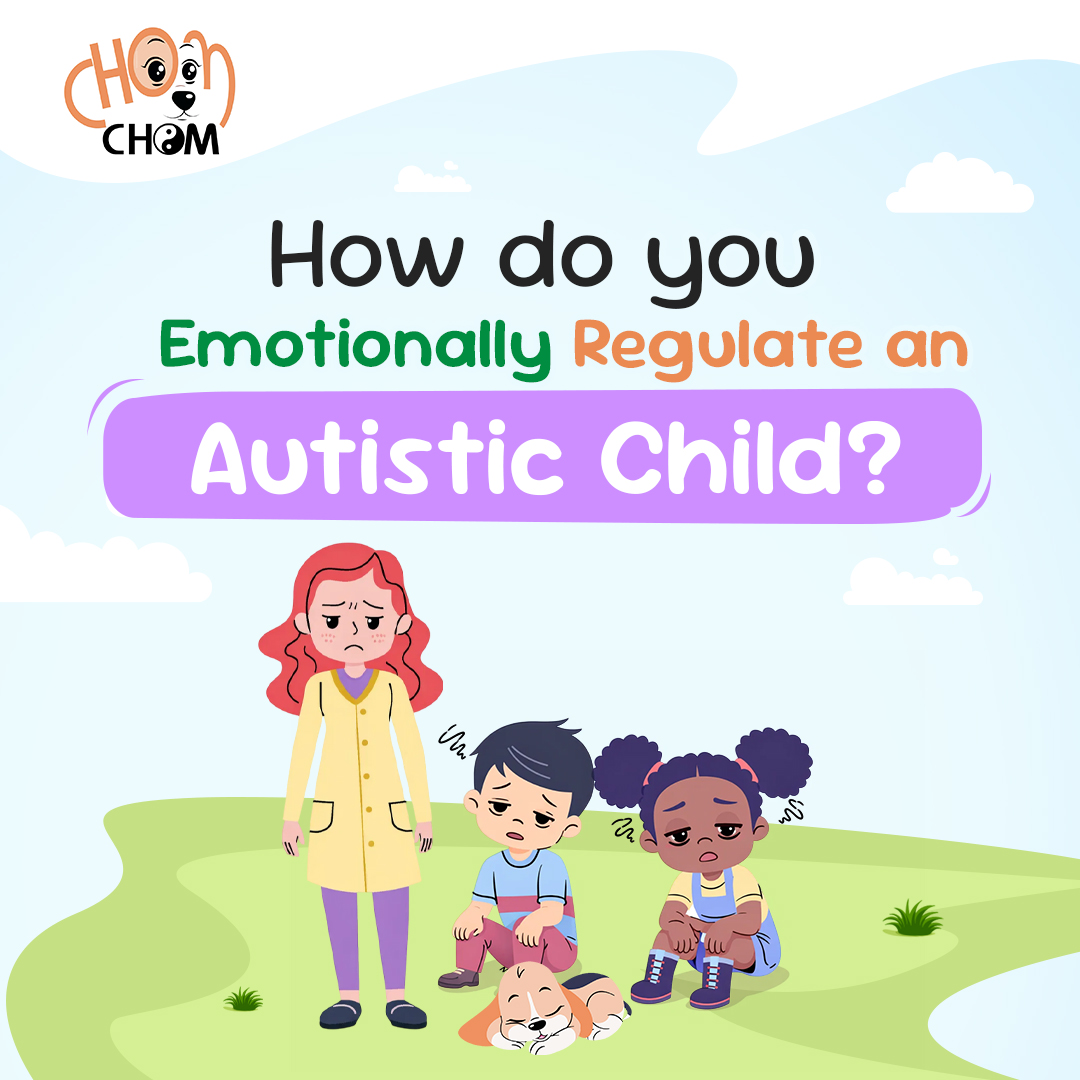
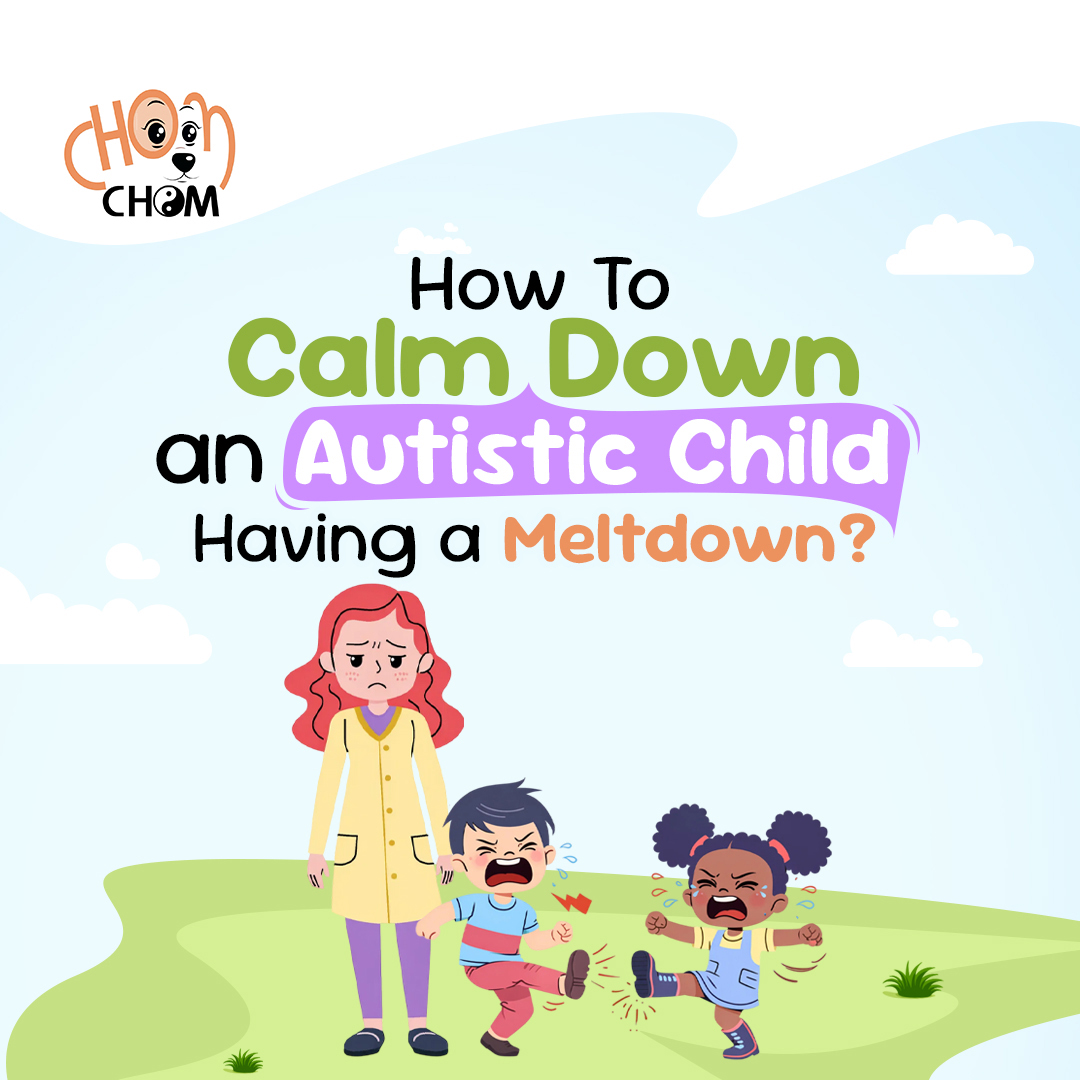
If you are a parent to an autistic child, then loud outbursts, kicking, and moodiness are not uncommon. It occurs when their brains get overwhelmed by emotional stress, sensory output, or changes in routine.
These triggers temporarily disrupt their behavioral conduct. As a parent, situations can become quite challenging, especially when meltdowns become a regular occurrence.
Some uninformed individuals may view the actions as tantrums or deliberate attempts to attract attention. Hence, it is important to learn what meltdowns actually mean for a neurodivergent child.
Such an approach will help parents, teachers, and caregivers find the right solution for their little one. They will be able to develop strategies to help children relax and calm down in unfamiliar situations.
If you are looking to understand the differences between temper tantrums and autism meltdowns, and the solutions, then this is the right place.
This blog will explore the root causes of meltdowns and share tips for calming an autistic child during triggers.
Autism Meltdowns vs Tantrums: Understanding the Difference
Before discussing how to help an autistic child calm down during a meltdown, you need to first learn to differentiate it from tantrums.
As a parent, you might have observed intense reactions in your autistic child during stressful moments. The child might start crying, yelling, biting, or throwing objects.
These signs are completely different from tantrums, which serve a particular purpose. The little one may be acting in a way to gain a desired toy or avoid an unwanted task.
While meltdowns emerge from complete nervous system overload, there is no such goal-oriented desire or intent behind the behavior. Autistic breakdown is, in fact, a physical response to extreme stress, frustration, or communication issues.
Here are some differences to notice in your little one to identify emotional outbursts:
1. Neurological Differences
Breakdowns are the physical manifestations of neurobiological chaos that the mind perceives as a threat. Even the tiniest irritant, such as itching from clothing or loud background noise, can affect the child.
The reaction of your child is involuntary and cannot be controlled by them. It is a reaction to intense emotions and a build-up of tension. They release the pressure through repetitive movements, stimming, zoning out, stomping, or other loud actions.
Once their brain has reached this state, they cannot respond to standard calming strategies. You might need to remove the stressors or wait for 20 minutes or more for the child to recover.
Tantrums resolve much more quickly once children obtain what they seek or receive attention. You can respond more effectively to your child’s needs when you understand the reactions as a part of a biological process than as willful misbehavior.
Recognizing the neurological basis will shift your responses from punishment to supportive. Moreover, you will be able to apply the right autism calming strategies.
2. Behavioral Signs
A good way to differentiate between meltdowns and tantrums is to notice the child’s behavior. Ideally, the stimming behavior increases noticeably before the meltdown.
It can serve as an early warning signal. Your child won’t make any clear verbal or gestural signs during breakdown. While in tantrums, they show actual demand.
You would notice that reactions occur even when children remain alone. In case of attention-seeking tantrums, the child would require observers. The intensity will fade gradually rather than abruptly when triggers disappear.
Understanding the differences in behavior is exactly how to handle autistic meltdowns in children. It will further prevent escalation cycles and strengthen mutual trust between parent and child.
What are the Reasons Behind the Autism Meltdown?
Now that you know the difference between tantrums and meltdowns, finding solutions to address their triggers will be easier. Another essential fact to consider is the cause of the reactions.
Every individual with autism is unique. They may react differently to the triggers. However, some common factors lead to autism outbursts.
The triggers accumulate gradually until children reach their tipping points. By identifying these factors, parents can prevent their little one from suffering. They need to ensure gentle observation and documentation.
Sensory Overload
One of the most common reasons for an autistic child getting triggered is sensory overload. Children with the said condition have heightened sensitivity to their surroundings.
From bickering lights to noisy environments, they can get visually or auditorily overwhelmed. These situations keep building tension silently.
Even fabric scratches on the sensitive skin can irritate the child. Every day exposure to strong smells, such as those from cooking, perfumes, or cleaning products, intensifies physical discomfort.
Your child may exhibit a gag reflex to certain textures. Even lumpy or stringy food items can trigger their reactions unexpectedly.
Common sensory triggers include:
- Flickering or bright lights
- Loud or unexpected noises
- Fabrics or certain textures
- Strong or pungent smell
- Uncomfortable or unexpected touch
Communication Frustrations
Many children with autism face difficulty in expressing their needs or frustration. They face difficulty even in articulating discomforts like headaches, ear infections, or other pains.
Nonverbal children especially experience high frustration from unmet internal needs. The inability to show their emotions can lead to intense frustration. Frustration over not being able to express hunger pangs can reach crisis levels.
Bathroom urgency creates anxiety when the little one is unable to communicate promptly. The growing frustration, when left ignored, leads to an explosion in tears or anger. Identifying these signs earlier will help you find the right calming techniques for autism.
Routine and Emotional Buildup
Emotional regulation can be an issue for children suffering from Autism. When they go through strong emotions like frustration, fear, sadness, or excitement, they show reactions.
Your child will find it difficult to process their feelings, leading to mental chaos. Emotional buildup will ultimately end in outbursts. It’s like having a wave of emotions but lacking the tools to express them.
Even unexpected schedule shifts or changes in predictability can cause panic in the child. When they start masking their fear, it significantly drains their cognitive energy. Accumulated frustrations from minor interactions might surface unpredictably.
Physical and Environmental Issues
Sometimes meltdowns occur from discomfort that goes unaddressed or unnoticed. Natural reactions like hunger, thirst, illness, or even a full bladder can create stress. The issue becomes severe when the child isn’t able to communicate their needs.
Even crowded stores or people pressing their bodies too closely can make the child uncomfortable. Temperature or seasonal changes can cause physical distress in the kid, as they are unable to express it. If the little one gets poor sleep quality due to nighttime overstimulation, it affects daytime behavior.
What are the Early Signs of Autistic Breakdown?
Meltdowns in autistic children are not random. Parents may notice subtle signs that indicate that a meltdown is on the way.
Recognizing these small details early will help you intervene and prevent your child from becoming aggressive. Moreover, you will be able to find the right calming strategies for the little one.
Here are some common signs of a meltdown to keep in check:
- Restlessness or Anxiety – You might notice your child pacing continuously or wringing their hands. Easily becoming anxious is also a sign of an upcoming meltdown.
- Sensory Avoidance – If you notice your child withdrawing from bright lights or loud sounds, they may be exhibiting sensory avoidance. When the situation feels overwhelming, they may try to cover their ears to protect themselves.
- Repetitive Behaviors – Children with autism often exhibit repetitive behaviors such as hand-flapping or rocking. It helps them calm their mind or self-soothe. A rise in such behaviors can indicate increasing stress.
- Communication Issues – If the child suddenly stops talking or shows signs of echolalia (repetitive speech), this might indicate a problem. Some children also speak nonsensically due to frustration.
- Attempts to Escape – Children under extreme pressure may suddenly try to leave a room or space. It can also be a sign to look out for. In such situations, they might be feeling trapped or overwhelmed.
How to Calm Down an Autistic Child Having a Tantrum or a Meltdown?
By now, you know how to identify the signs that indicate that your little one might go through a meltdown.
However, after reviewing the suggestions, you might have wondered how to stop an autistic meltdown immediately.
You need to understand that a child’s meltdown requires careful handling. The child needs time to calm down and come out of the trance. In situations like a public meltdown, rather than feeling judged, focus on ensuring the child’s safety.
Safety-First
One of the most effective autism meltdown strategies is to make your child feel safe. As a parent, the immediate response should be to remove any hazards, like furniture, sharp objects, or breakable items.
Covering them with weighted blankets calms them down. However, make sure to do so when they accept them willingly. Practicing slow, deep breathing with them will teach them to do the same during a meltdown.
Maintaining physical proximity indicates effective protection. Staying seated at your child’s level will avoid appearing threatening.
Remove the Triggers
If your child feels irritated or triggered by sensory stimulants, ensure that you remove them from sight. By making the room or space comfortable, you can help them believe that the threat has passed.
Make sure, while conveying the feeling, you calm down your voice. Being loud when they are already panicking will make them more hyper. Offering deep pressure, like a hug, or a sensory tool, like a Popsicle, will help divert their mind.
Here are some methods that you can follow:
- Lower the lights or add shades to the window.
- Move your child to a softly lit room.
- Remove the source of the bad smell.
- Reduce noise or give your little one noise-proof headphones.
- Remove tags or starchy materials from your child’s clothes.
Stay Calm and Offer the Same:
As a parent, your priority should be to stay calm yourself. It will give you time to think and prepare the right techniques that work best for calming autism.
You can introduce bubbles to visually and engagingly convey exhalations. Chewy oral tools rapidly release accumulated jaw tension.
Therapy balls support rhythmic, gentle rocking. Items like crunchy vegetable sticks will immediately satisfy oral sensory seeking needs.
Even familiar scents provide calming sensations. Try using phrases like “I’m here for you” or “You’re safe”. It will work as reassurance.
Deep Pressure and Movement
Parents can apply firm but gentle squeezes to the child’s arms, legs, and hands in a methodical manner. It will help them feel relaxed or calm.
Large therapy balls help offer a controlled bouncing motion. Using resistance bands that stay stretched around the legs will give a calming input.
Even the deep muscle compression techniques target major joints systematically. Bear hug positions will help deliver even full-body pressure, only when welcomed.
Auditory Aids
Another helpful autism strategy is curating a calming music playlist. It will mask environmental noise effectively. When the child starts shouting or running, rather than being loud or assertive, try speaking softly.
Speaking in a low-pitched voice will convey control and safety. However, make sure that you don’t lecture the little one.
White noise machines are a great way to create consistent background sound barriers. You can guide them with visuals on deep breathing, or simply offer them high-quality headphones for noise reduction. These methods help divert their mind from the triggering issues.
Playing Sensory Games
As a parent, you can use sensory games to immediately calm your child. Offering them squishy playdough or slime can help divert their attention.
App-guided breathing exercises will help teach regulation interactively. Letting your child play online games or using apps designed for autistic children can help them calm down during a meltdown.
These interactive games provide gentle visual and auditory input. It is perfect for offering emotional support and safely redirecting their attention. Using these techniques will give your child the needed time and space to regain control.
Long-Term Strategies to Prevent Meltdowns in the Child
Although meltdowns aren’t always avoidable, thoughtful planning can help limit how often they happen. By making a proper plan, you can ensure the meltdown’s intensity is lower.
To achieve this goal, try making consistent routines. You can teach coping skills or self-monitoring habits to help your little one understand their actions.
You can always consult a professional to get guidance. They can share expert tips on how to handle the meltdown or triggering situations. With time, you will be able to confidently support your autistic child’s emotional well-being.
- Maintain Predictability – Consistent daily routines and schedules will help your little one stay prepared.
Support communication Development – Encouraging communication through speech or online tools will reduce frustration due to unmet needs. - Encourage Sensory Regulation – Create a quiet space or offer calming sensory items to build their patience.
- Build Emotional Awareness – Practice simple calming techniques, such as deep breathing or counting. It will help them handle their strong emotions.
- Monitor Behavior Regularly – Parents need to regularly monitor behavioral changes to identify any warning signs. It will help take a professional evaluation promptly.
Help Your Little Stay Happy and Calm by Playing Games from ChomChom Tech
Knowing how to calm an autistic child helps develop effective calming strategies. As a parent, you can easily identify sensory triggers, communication issues, or health factors that lead to emotional outbursts.
It also helps you master the immediate de-escalation techniques to help your little one. At ChomChom Tech, we lend you a hand by offering thoughtfully designed digital tools and supportive resources.
Our therapist-designed bite-sized games are specifically designed for neurodivergent children ages 4-11. By letting your child play our games, you will gradually understand how to emotionally regulate an autistic child.
The special games will further develop their emotional regulation, cognitive skills, and problem-solving skills with every play.
Download the fun games from our website today to help your child build emotional skills.