Have you noticed your child showing constant tantrums? Do you often see your little one showing incorrect impulses or off-task behavior?
For a parent with an ADHD child, these signs are not uncommon. The condition causes the individuals to show persistent patterns of hyperactivity, inattention, and impulsivity.
These actions are more severe than typical for their age. The children often struggle to manage their emotions and behavior due to a lack of self-regulation. These challenges gradually impact the peer relationships, school performance, and family life.
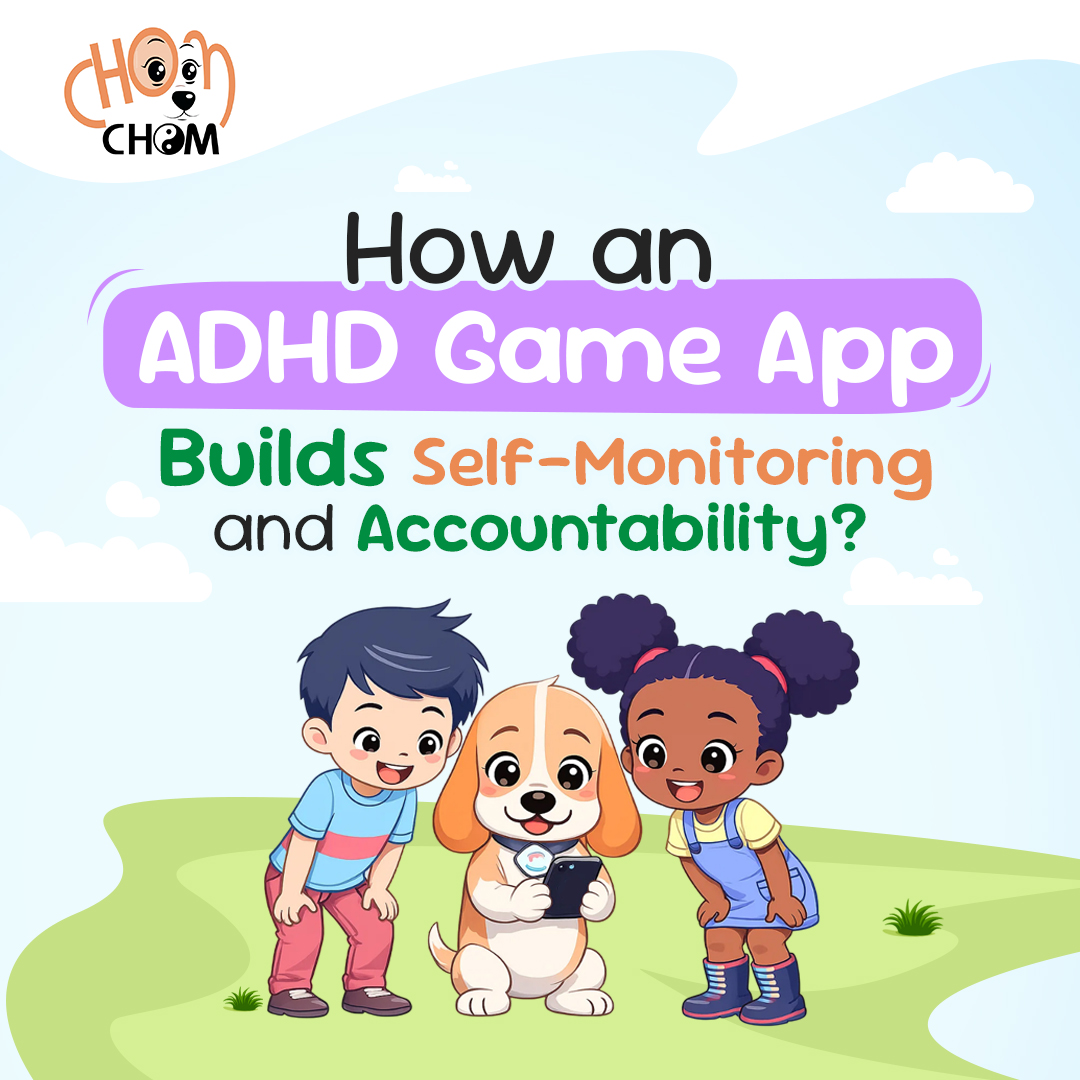
Fortunately, with advances in technology, you can teach the little one to notice and track their own behavior. Smart tools like the ADHD game app, with its interactive and fun displays, help build self-awareness and control.
The simple application transforms daily life into something more engaging, structured, and rewarding.
In this blog, we will discuss how a game app can help the neurodivergent kid learn self-control. Keep reading to learn more about the importance of self-monitoring and accountability for children with ADHD.
Understanding Self-Monitoring & Accountability in ADHD
Self-regulation and behavior problems are a defining feature of attention-deficit/hyperactivity disorder. Children with ADHD usually find it difficult to control their actions. Spontaneous reactions and impulsivity often lead to a blunder in their growth.
As a parent, you may often look for ways to handle your little one’s reactions. When looking through the options, you might have overlooked the essential solution: self-monitoring.
It is a process of observing oneself. In the process, you teach your child the importance of reflecting on their behavior. By following the strategy, the child will assess how well the action aligns with their goals.
Children with ADHD sometimes act and speak without being fully conscious of their surroundings. As a result, they don’t have the opportunity to analyze their behavior or make changes.
It is a fact that overcoming self-control issues is quite daunting. However, with the right techniques and tools, the kid with ADHD can increase self-awareness. They will start taking accountability for their actions and ask, “What am I doing right now?” or “Is my action helping or getting me off track?”
For an ADHD patient, self-monitoring can help them to understand which techniques are working or whether additional support is required. They can share their beliefs and progress with you to improve the overall symptom.
Such approaches will help them improve their academic performance, social skills, and behavioral practices.
With advances in technology, achieving this goal has become easier. By introducing their little ones to ADHD brain-training games, parents can support their children’s self-motivation goals.
What Makes a Game “ADHD-Friendly”?
Have you ever downloaded activity-focused games for your little one? Maybe to help your children focus or to distract them.
These apps may start strong but fade into the background due to a lack of the right interface for children. Even high-action-packed games can put pressure on the mind, triggering symptoms such as emotional outbursts, defiance, and meltdowns.
This is where specialized games for kids with ADHD come in. They are a form of therapeutic intervention that utilizes interactive storytelling games to address specific development goals.
The aim is to use an interactive interface to improve children with ADHD’s emotional, cognitive, social, and behavioral skills. The best part is that the games offer fun rewards and appreciation that mimic the internal motivation.
From a parent’s lens, a game becomes ADHD-friendly when it respects your child’s nervous system. It adheres to your child’s needs and supports their overall growth. Therefore, it is important to choose the right game that helps with ADHD.
Here are the things to look for in a game that make it ADHD-friendly:
1. Short and Focused levels
Short, 5-minute missions are ideal for the ADHD child. Since the kid is inattentive, easy games that the child can start and finish are helpful. They won’t get lost in a long and unstructured session.
Focused-level games are quite fast and easy to complete. It also makes it easier for you to set limits without worrying about a meltdown when it’s time to stop. An app built with growth-focused principles feels purposeful rather than addictive. It would make the parent comfortable using it as a part of the child’s support plan.
2. Clear Goals on Every Screen
Game apps that set a clear goal for the players are often motivational. Before each level, it shows your child a simple objective with clear words. It might ask them to remember a pattern to easily solve the upcoming puzzle, or to learn the tapping pattern.
This form of clarity supports a child with ADHD’s brain functioning. They learn to be patient and look for instructions before reacting.
3. Gentle Sensory Design
Good games for kids with ADHD have clear, bright graphics. They respond quickly to player actions for instant feedback. It is important to ensure that the visuals don’t feel overwhelming.
Some games come with loud sounds that can make the child feel irritable, experience sensory overload, and have heightened anxiety. Hence, it is vital to choose an app that supports volume adjustments and sound muting.
4. Meditation-Focused Games
A parent can choose unique meditation-focused games for ADHD kids. These games blend movement, sensory play, and focused tasks to support the child’s growth.
It is better to choose online games for ADHD support that improve the little one’s emotional regulation, focus, and self-control. It must offer calming, engaging ways to build core ADHD-friendly skills.
How Game Mechanics Promote Self-Monitoring?
By now, you have an idea about the link between ADHD and gaming and how it works. Traditionally, parents have been relying on therapies that support a child’s mental development.
However, these techniques require regular work with experts, which may not be accessible for everyone. To resolve this issue, individuals can use games designed to improve the thinking skills of ADHD children with ADHD.
The gamification method is based on research in education, neuroscience, and behavioral psychology. They align with how your child’s brain processes stimulation, motivation, and feedback.
Unlike passive approaches, these specialized gaming apps create engaging, interactive environments that help build self-control, focus, and working memory through play. Its fun mechanics can help lessen the effects of an individual’s ADHD over time.
The following are how the ADHD games promote self-monitoring in children:
- Direct Feedback Loops – ADHD-focused games offer instant auditory or visual cues to help the child stay focused. They offer sounds, points, or progress bars as the child clears a level. Having a feedback loop serves as a form of appreciation that motivates the child to make good choices. It makes the internal process of attention tangible.
- Adaptive Difficulty – The ADHD game app features a state-of-the-art mechanism that adjusts to the child’s performance. It gently pushes them to maintain focus and plan better. The interactive games teach them to recognize and communicate their problems. For instance, when they’re struggling with a level, they will communicate that to their parents. Such approaches help them become confident and open about their needs.
- Real-Time Monitoring – Some games feature innovative technologies such as EEG sensors. They allow kids to see and analyze their level of focus or distraction. The progress directly links their mental state to game actions, supporting their development.
- Exclusive Functions – The tasks mimic real-life challenges in a fun and low-stakes way. The game teaches time management and planning, thereby improving self-regulation. With time, the child starts monitoring their patterns and rectifying their ways.
- Increased Motivation and Engagement – The integral part of playing games is the fun they offer. Unlike the graphical games that trigger the ADHD symptoms or make them addictive, these games focus on motivation. Games to help with ADHD transform tasks into bite-sized challenges to reduce negativity and increase focus. Children feel motivated to practice skills they’d otherwise find tedious.
- Data-Driven Insights – ADHD games for children record choices and patterns to provide a detailed analysis. They keep track of progress, helping parents and therapists set a plan of action. By following this insight, children understand their behavioral patterns and seek ways to improve them.
- Minimize Distraction – Children with ADHD often struggle with distractions. Through interactive gaming, they can minimize the external distractions. These games have specific design mechanics that activate the brain’s attention and reward systems. They teach children to monitor the triggering pattern and find ways to cope with the signs. For instance, a child who feels distracted by noises can find a quiet environment during triggers or for gaming. With their parents’ help, they can learn techniques to manage internal distractions. Such approaches will be beneficial in other areas of life.
Building Accountability through Rewards and More
Gamification technique for ADHD children isn’t about playing games; it focuses more on turning life into a system. The games help soothe the brain and improve understanding and response to the surroundings.
A parent with a special child knows that ADHD makes the child distractible and demotivated. Tasks that may seem regular or unimportant to many may feel impossible to handle for someone with the condition.
Children with ADHD often experience motivational inconsistency. They might hyperfocus on things that they enjoy while avoiding responsibilities. This is where gaming proves to be helpful. It extends rewards and increases urgency and novelty in the children.
Gaming systems offer fun badges, unlocking levels, or progress visuals that grab the kid’s attention. It can make them interested in staring, persisting, and finishing tasks that would otherwise feel boring.
Here’s how the ADHD self-regulation games build accountability through rewards:
1. Elevating Dopamine
ADHD reduces dopamine activity in brain areas that support attention, motivation, and reward. For instance, earning points for completing a task might trigger a small dopamine release in children.
Games offer external incentives, such as rewards or points, that boost dopamine production. By earning points, seeing visual progress, and completing timed challenges, children can feel motivated to work towards improvement.
2. Instant Rewards and Feedback
In-game rewards and incentives effectively boost engagement and motivation in children. Unlocking levels, earning points, or receiving virtual rewards can serve as a positive reinforcement for desired goals and behavior.
These rewards are ideal for strengthening therapeutic needs, such as using problem-solving strategies, staying on task, and managing impulsivity. The gaming app provides feedback that helps to form habit trackers, checklists, or charts to help make the unseen growth feel tangible.
3. Game-Based Learning
Game-based learning via apps significantly enhances attention and memory in children with ADHD. The system activates the brain’s reward center, creating a feedback loop that sustains engagement.
In special kids, structured game elements support time-on-task and reduce impulsivity. The game provides a framework that feels exciting and supports the development of good functional skills over time.
From Game Success to Everyday Life Skills
The real value of gaming as therapy for ADHD kids is visible when the benefits are seen in real life. Simply allowing them to play games won’t support their overall growth. That’s where you, as the parent, are crucial.
You need to support and encourage your little one to apply what they’ve learned in their actions and behavior. Puzzles, interactive games, and even therapeutic video games encourage children to complete tasks and apply quick thinking.
With systematic, time-constrained play, children would improve their attention span. Parents will notice a low risk of side effects when using a therapeutic ADHD gaming app.
Here’s how the gameplay helps children in the practical life:
1. Improved Attention and Focus
Many games require sustained focus and attention, which can help children with ADHD improve their concentration. With this training, they start focusing more on classroom teaching. Gaming therapy provides a structured environment that helps children adapt more easily to new situations.
2. Enhanced Impulse Control
Some games have elements that require kids to regulate their impulses. They further learn to make thoughtful decisions and delay gratification. By learning the skills, the kids start to control their habits in social situations. It is ideal for children who keep interrupting others or acting without thinking.
3. Cognitive Skill Development
ADHD based games for children promote the development of cognitive skills. Your child learns decision-making, problem-solving, and memory strengthening. Practicing the skills in a gaming context will automatically aid in real-world situations.
4. Multitasking
Many games involve making quick decisions, managing resources, and juggling tasks. It can teach the child multitasking, which will be essential in the real world. An ADHD child will also learn task-switching skills, which are usually difficult for them to handle.
5. Normalizing Feelings and Frustration
Even the best-designed game can sometimes feel frustrating to your child. However, that’s not always a bad thing. Ups and downs in the app can help your little one better understand and accept their emotions. They will learn to identify their emotions and practice ways to calm their aggression in sticky situations.
Choosing and Using the ADHD Game App Wisely
By now, you have an idea about the ADHD gaming app and its benefits for self-monitoring in children. It might have ignited your interest in finding the right app for your loved one.
Given the plethora of options, choosing the right app can feel quite daunting. Allowing them to play violent or loud games can further make it hard for kids to control their frustration and focus.
They will start showing tantrums, struggles, and defiance when activities don’t feel rewarding. Hence, it is important to carefully analyze the app’s features before allowing children to use it.
Here’s how you can choose and use the right game app:
- Identify the primary Issues – Before downloading anything, assess the challenges your child faces. Based on the evaluation, choose an app that focuses on skills such as time management, organization, or emotional regulation.
- Look for Credible Expertise – Always choose an app backed or developed in collaboration with psychologists or psychiatrists. It will ensure the reliability and genuineness of the games. It will help achieve the goal of transferring skills learned in the app to real-world situations, not just for entertainment.
- Consider the Age – Before selecting an app, ensure that it is suitable for the children. An app designed for an adult won’t suffice the needs and lifestyle of a kid. Choose an app that supports an ADHD child’s growth while offering convenience. Also, make sure to avoid addictive use by scheduling dedicated times for the app. You can use visual timers to handle the sessions effectively.
- Use Free Trials – Check the app yourself first to see if it integrates with your child’s schedule. An app must be engaging and not overwhelming. As a parent, you must ensure the app doesn’t include loud noises or graphics that could trigger your child’s symptoms. Regularly check whether the app is benefiting your child’s life.
- Check User Reviews – Always read reviews or testimonials to understand users’ experiences. Based on the facts, you can decide whether the app is ideal for your child.
Teach Your ADHD Child Self-Monitoring and Accountability with Game App from ChomChom Tech
The ADHD game app is a valuable tool that offers an innovative and engaging approach to addressing the challenges of the condition. By offering bite-sized skill-building activities, the app helps improve impulse control, focus, and attention in young children.
ChomChom Technology offers non-addictive, engaging critical-thinking games for kids that improve self-motivation. Our thoughtfully designed app can become a gentle ally in your child’s growth.
This therapist-backed app will become a place where they practice noticing themselves, managing impulses, and taking responsibility for choices. With consistent use, you will be able to identify the signs that your child needs a behavior-tracking app.
The best part is that you can track your child’s progress and develop an improvement plan.
Visit ChomChom Tech today to help your child take the journey toward self-realization and accountability.