When your child has big emotions, it can feel like you are constantly trying to solve a puzzle. One moment they are laughing, the next they are overwhelmed, frustrated, or completely shut down. No amount of explaining helps.
As a parent, this can be confusing, exhausting, and sometimes even heartbreaking. You may find yourself wondering –
Why does my child react so intensely? How do I help them understand what they are feeling when they cannot find the words?
For many neurodivergent children, emotions do not come in neat, manageable pieces. Feelings can arrive all at once and become challenging to identify in the moment. This is not a lack of emotional awareness; their brains process emotions differently and often need extra support to make sense of what is happening inside.
Here is where emotional regulation tools can help.
An emotional regulation app is not meant to replace parenting. It acts as a secure guide, helping kids slow down, recognize their emotions, and practice calming strategies in ways that feel safe.
For parents, it delivers lucrative insights into what their child is experiencing, leading to meaningful conversations that create the wave of change.
In this comprehensive read, let’s explore how an emotional regulation app can help children better understand their feelings, build emotional awareness, and develop cohesive skills. We will look into practical ways of how these support calm, confidence, and connection, both at home and beyond.
Why Emotional Regulation Matters for Kids Who Are Neuro-Different?
Emotional regulation is the ability to recognize, understand, and manage feelings in ways that feel safe and appropriate.
For many children, this skill develops naturally over time. But for neurodivergents, emotional regulation often requires more intentional support. Their emotions can feel stronger, arrive faster, and be harder to control – not because they are misbehaving, but because their brains process emotions differently.
Supporting emotional regulation early helps children build resilience, confidence, and a healthier relationship with their feelings.
Here’s why emotional regulation activities are so critical – especially for neurodivergent kids:
- It helps children understand what they’re feeling, not just react to it.
Many children experience emotions before they can name them. Neurodivergent children may feel confused or distressed by these internal signals. Emotional regulation skills help them identify feelings like frustration, anxiety, or excitement and make sense of what’s happening.
- It reduces meltdowns and emotional shutdowns.
When children don’t know how to release or calm intense emotions, those feelings often come out as meltdowns, withdrawal, or avoidance. Learning emotional regulation strategies gives children alternative ways to cope when emotions feel too big.
- It supports focus and learning.
A dysregulated child cannot easily concentrate, follow instructions, or participate in activities. Emotional regulation creates the mental and emotional safety needed for attention, problem-solving, and engagement.
- It strengthens communication and relationships.
Children who can express emotions more clearly are better able to communicate their needs. This improves relationships with parents, teachers, and peers, reducing misunderstandings and conflict.
- It builds self-confidence and emotional safety.
When children learn that emotions are manageable and not to be feared or suppressed, they begin to trust themselves. This sense of emotional safety is especially crucial for neurodivergent children who may already feel different or misunderstood.
- It supports long-term mental well-being.
Emotional regulation skills lay the foundation for coping with stress, change, and challenges later in life. Children who learn these skills early are better equipped to handle transitions, social pressures, and setbacks as they grow.
- It teaches that all emotions are valid.
Regulation is not about eliminating feelings. It’s about learning how to move through them. This helps children develop empathy for themselves and others.
When we prioritize emotional regulation, we give children the tools to understand and care for themselves.
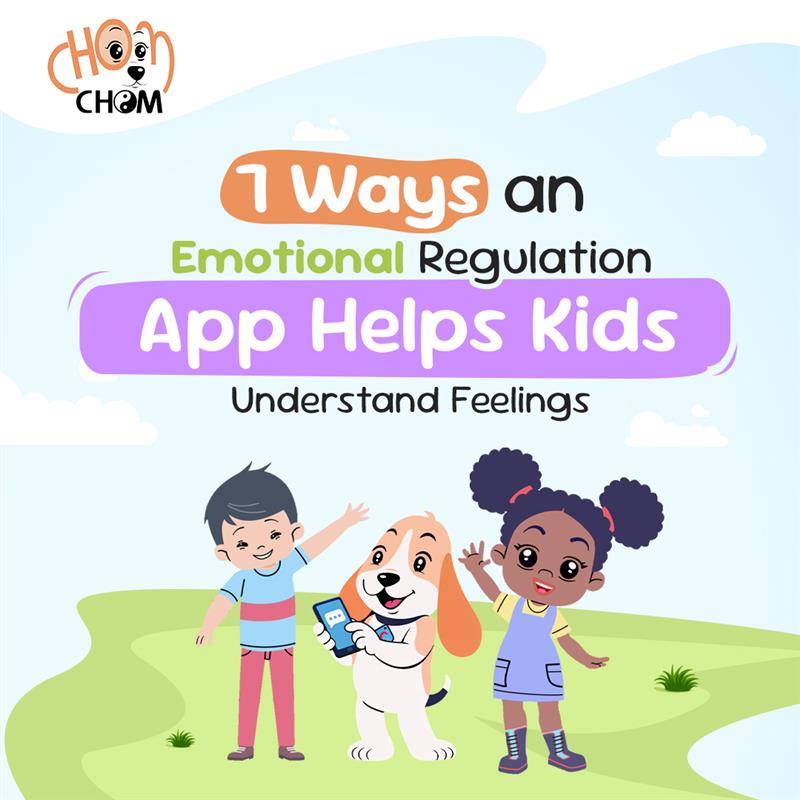
7 Ways Kids Benefit from an Emotional Regulation App
For many parents of neurodivergent children, supporting emotions can feel like navigating uncharted territory. Emotional regulation apps can become a meaningful support, not as a replacement for parenting or therapy, but as a gentle, everyday skill-building companion.
When used intentionally, apps for emotional regulation help children practice understanding feelings, calming their bodies, and responding to challenges in healthier ways.
Here are seven powerful ways to benefit from emotional regulation apps for kids, especially those who struggle with anxiety, ADHD, sensory overload, or emotional intensity.
1. They Help Kids Identify and Name Their Feelings
One of the biggest challenges for children, particularly neurodivergent kids, is recognizing what they’re actually feeling. Emotions can blur together, turning frustration into anger or anxiety into tears without an apparent reason.
Emotional regulation apps use visuals, icons, colors, or simple prompts to help children pause and identify emotions. Instead of asking a child to explain how they feel in words, the app offers options, reducing pressure and confusion. They can use these apps to track their daily mood and, over time, build emotional vocabulary and awareness.
When kids can name their feelings, emotions feel less overwhelming and more manageable.
2. They Teach Calm-Down Skills in the Moment
During emotional overwhelm, children often cannot access coping strategies on their own. Telling a child to calm down rarely works when their nervous system is already overloaded.
Apps to help regulate emotions guide children through calming techniques step by step. These may include breathing exercises, grounding prompts, and mindfulness and meditation activities. Because the app leads the process gently, children don’t feel corrected or judged.
Practicing these tools repeatedly helps kids learn what calm feels like, making it easier to return to regulation over time.
3. They Create a Safe, Non-Judgemental Space for Emotions
Many children who are frequently corrected for emotional outbursts begin to feel ashamed of their feelings. Emotional regulation apps offer a private, judgment-free space where children can explore emotions without fear of getting in trouble.
This sense of emotional safety is especially crucial for neurodivergent kids who may already feel misunderstood. When children know their emotions are accepted, they are more willing to reflect, engage, and try regulation strategies.
In this way, emotional regulation apps for kids help normalize emotions rather than suppress them.
4. They Support Consistent Practice Without Pressure
Emotional regulation is a skill that develops through repetition, not one-time lessons. However, practicing these skills daily can be challenging for families juggling school, work, and routines.
Apps make practice feel approachable. Bite-sized activities encourage regular check-ins with emotions without overwhelming the child. As these moments are brief and interactive, children are more likely to participate willingly.
Consistency matters. Over time, regular use helps emotional regulation skills become more automatic, supporting long-term growth rather than quick fixes.
5. They Strengthen Self-Awareness and Independence
One long-term goal of emotional regulation is helping children recognize when they need support. Many emotional regulation apps encourage children to notice changes in their body, mood, or energy levels.
The app builds self-awareness – the ability to pause and reflect instead of reacting impulsively. Gradually, children begin to take ownership of their emotional needs, using tools independently or asking for help when needed.
For neurodivergent children, this sense of independence can be empowering. It shifts regulation from something done to them into something they actively participate in.
6. They Improve Focus, Learning, and Daily Functioning
When emotions are dysregulated, focus becomes extremely difficult. A child who feels anxious, frustrated, or overstimulated cannot fully engage in learning or daily tasks.
By supporting emotional balance, apps for emotional regulation indirectly support attention, task completion, and classroom readiness.
This connection is why many parents and educators consider emotional regulation tools among the best apps for emotional regulation, not just for emotional growth, but for overall well-being and learning success.
7. They Strengthen Parent–Child Communication
One of the most overlooked benefits of emotional regulation apps is their support for communication between children and adults. When a child uses an app to track or reflect on emotions, it creates a shared language around feelings.
Parents gain insight into emotional patterns without needing to interrogate or guess. Children feel understood rather than questioned. This shared understanding can reduce conflict and open the door to calmer, more meaningful conversations.
Instead of focusing solely on behavior, families can talk about emotions with curiosity and compassion.
Why Emotional Regulation Apps Work Especially Well for Neurodivergent Kids?
Neurodivergent children often benefit from clear structure, visuals, predictability, and low-pressure learning environments. Emotional regulation apps naturally provide these elements. They meet children where they are, offering flexibility, repetition, and personalized pacing.
Most importantly, these apps do not expect perfection. They allow space for emotional ups and downs, reinforcing the idea that regulation is a practice, not a performance.
A Gentle Reminder for Parents
While emotional regulation apps can be incredibly supportive, they work best as part of a broader emotional support system. They are tools, not solutions in and of themselves. Connection, patience, and understanding from adults remain essential.
Used thoughtfully, emotional regulation apps can help children build lifelong skills – understanding feelings, calming their bodies, and navigating challenges with confidence.
For parents searching for apps to help regulate a neurodivergent child’s emotions, or exploring the best apps for emotional regulation, the real value lies in how these tools empower children to understand themselves, one feeling at a time.
Choosing the Right Emotional Regulation App
With so many digital tools available today, finding the right app for emotional regulation can feel overwhelming.
Remember, you are planning for a neurodivergent child – they are unique, and their minds are really special.
Not all apps are created with children’s emotional needs in mind, and what works for one child may not work for another. The goal isn’t to find a perfect solution, but a supportive tool that feels safe, engaging, and developmentally appropriate.
Here are key factors to consider when choosing among the many apps to support emotional regulation, especially when looking for an effective emotional learning app for kids.
1. Age-Appropriate Design and Language
- Look for apps designed specifically for children, not scaled-down adult tools.
- The language should be simple, reassuring, and free from complex emotional terminology.
- Visuals, icons, and prompts should be clear and inviting, not overstimulating.
- For neurodivergent children, predictable navigation and consistent layouts help reduce anxiety and confusion.
An emotional skill-building app for kids should feel intuitive and safe from the first interaction.
2. Focus on Skill-Building, Not Just Entertainment
- While games and rewards are helpful, the core purpose should be teaching emotional awareness and regulation skills.
- The app should help children identify emotions, practice calming strategies, and reflect on experiences, not just distract them.
Apps to help with emotional regulation are most effective when they support long-term learning, not short-term distraction.
3. Gentle, Non-Judgmental Approach
- Avoid apps that frame emotions as good or bad, or that reward the suppression of feelings.
- The best tools validate emotions while guiding children toward healthy responses.
- Children should never feel punished for being upset or overwhelmed.
A supportive app for emotional regulation helps children feel understood rather than corrected.
4. Clear Structure and Predictability
- Neurodivergent children often thrive with routines and predictable patterns.
- Choose apps that follow a precise flow, like check-in, activity, and reflection, so children know what to expect.
- Too many options or sudden changes can overwhelm rather than support regulation.
Structure helps emotional learning feel manageable and safe.
5. Short, Manageable & Bite-Sized Activities
- Emotional regulation works best in small, consistent moments.
- Look for apps that offer brief activities you can use daily without feeling like another task.
- Short practices encourage participation and reduce resistance.
This makes it easier to integrate the app into everyday routines.
6. Support for Different Regulation Needs
- Children regulate emotions in different ways; some need movement, others need quiet reflection.
- A good learning app for kids should offer a variety of strategies, such as breathing exercises, meditation activities, or reflective prompts.
- Flexibility allows the app to grow with your child’s needs.
7. Encourages Self-Awareness and Independence
- The app should help children notice their feelings and signals over time.
- Look for tools that encourage children to choose strategies themselves rather than relying entirely on adult direction.
- Building independence is key to long-term emotional growth.
8. Safety, Privacy, and Accessibility
- Ensure the app is child-safe, ad-free, and respects data privacy.
- Accessibility features, such as visual support or audio guidance, are especially vital for neurodivergent children.
Choosing the right app for emotional regulation is about alignment. The best apps to help with emotional regulation are those that meet your child where they are, respect their emotional experience, and support gradual skill-building.
When chosen thoughtfully, an emotional regulation app for kids can be a valuable tool for helping children understand their feelings and navigate the world with greater confidence and calm.
Supporting Emotional Growth with the Right Tools
Helping children understand and regulate their emotions means teaching them to move through them with confidence, safety, and self-awareness. For neurodivergent kids especially, emotions can feel intense, confusing, and overwhelming.
The right emotional support tools can make a meaningful difference. Thoughtfully designed apps for emotional regulation give children a structured, judgment-free way to recognize feelings, practice calming strategies, and build emotional skills.
When used consistently and with guidance from adults, these tools can help children feel more in control of their emotions, improve focus, and strengthen communication at home and school.
It’s important to remember that no app replaces connection, patience, or understanding. Emotional growth happens through relationships. Tools can support that journey by making emotions easier to talk about and practice managing.
At ChomChom Tech, this belief is at the heart of everything we build. Our mission is to support neurodivergent children, parents, educators, and therapists with tools that make emotional regulation and habit-building feel approachable, playful, and empowering. We believe every child deserves to grow with understanding, confidence, and care.