Have you noticed your child feeling stressed out during the festive time? You are not alone.
Amid the hustle and bustle of varying schedules, gatherings, and traditions, your child may feel overwhelmed.
Holidays are filled with joy, laughter, and wonderful moments. Multiple things go on around this time, from school to home, and the regular routines get disrupted. As a result, the kids become stressed and anxious.
Parents, teachers, and caregivers have to put in a lot of effort to help children experience the fun and excitement of Christmas. You must incorporate effective strategies to prevent stress and encourage fun and excitement in your kids.
In this blog, we will explore the innovative ways to manage holiday stress in children and learn how to recognize the signs of stress. We will further explore why holidays can be stressful for children and the importance of providing them with the support they need during this time.
Start reading!
Why The Holidays Can Be Overwhelming For Kids?
The holiday season brims with happiness and enthusiasm. But it becomes a period of tension and anxiety if you have a sensitive and neurodivergent child. You might even think about what makes holidays so challenging for my kids.
As a parent, it can be confusing, as this time of year is meant to be so enjoyable for children.
A common experience for many neurodivergent and highly sensitive children is that routine and structure are incredibly beneficial. It helps children regulate their expectations and know what is about to happen. It also results in less intense emotions and tantrums.
The shift in dynamics from regular life may be enjoyable for adults, but it affects your child differently.
The festive season can be exciting yet daunting for children. Multiple elements play a role in their anxiety during this period, including –
- Change in Routine: Holidays and family stress are interrelated. This period interrupts regular schedules, leading to changes in sleep habits, school vacations, and social activities. These shifts can be distressing for children who flourish with routine and order.
- High Expectations: Your kids might feel stressed trying to feel joyful and appreciate the holidays. It happens mainly when enthusiastic family and friends surround the kids. They might also worry and feel confused about presents, family get-togethers, or feeling excluded.
- Overstimulation: Festive gatherings, vibrant decorations, and unique occasions can be overwhelming. Such experiences may lead to increased feelings of stress and anxiety for children with heightened sensitivity.
- Family Dynamics: When there is tension or unresolved conflicts within the family, children might sense this stress. These situations result in heightened anxiety or emotional turmoil.
Understanding these elements is the initial step in helping children experience the holiday season with happiness. Identifying the factors contributing to this period allows you to take a more proactive approach in fostering their emotional health.
Recognizing the Signs of Stress
Stress in children and adolescents stems from multiple sources. They include academic demands, social interactions, family problems, and significant life transitions. A moderate amount of stress boosts motivation and improves performance.
Ongoing stress can lead to emotional, behavioral, and physical issues. Identifying the indicators of stress is the initial step in offering essential help and direction.
Mostly, children show signs of stress in ways that differ from those of adults. They might misbehave, become attached, or revert to previous habits such as thumb-sucking or bedwetting.
Some older kids may show their stress by being irritable, having trouble focusing, or experiencing physical symptoms such as headaches or stomach pain.
The prominent signs of stress include –
Emotional Signs
- Irritability and Mood Swings: Generally, kids under stress may become easily annoyed, irritable, or prone to abrupt mood changes.
- Anxiety and Concern: Feeling very anxious, excessive worrying, or feeling uneasy regarding particular scenarios or overall situations are signs of stress.
- Sadness or Withdrawal: Emotions of sorrow, despair, or detachment from enjoyable activities and social engagements indicate stress.
Cognitive Signs
- Difficulty Concentrating: Stress may impair concentration, making it harder to pay attention to tasks, finish assignments, or follow instructions.
- Forgetfulness: Signs of forgetfulness or challenges in remembering information are due to stress.
- Indecisiveness: Difficulty making choices or frequent decision changes may indicate stress.
Behavioral Signs
- Changes in Sleep Patterns: Stress can disrupt sleep, leading to insomnia, disturbed dreams, or oversleeping. You must observe alterations in the length or quality of your child’s sleep.
- Changes in Eating Habits: Stress can lead to changes in appetite, including excessive or inadequate eating, as well as abrupt weight changes.
- Avoidance Behaviors: Your child may avoid going to school, attending social gatherings, or engaging in enjoyable activities, which may indicate stress.
- Increased Aggression or Anger: Sudden outbursts of anger, aggression, or rebellious behavior suggest that a child is under stress.
Physical Signs
- Frequent Health Issues: Physical signs include headaches, stomach pain, or aches and discomfort. These health issues indicate stress.
- Fatigue: Ongoing exhaustion or reduced energy levels, despite sufficient rest, may indicate stress.
- Changes in Appearance: Avoiding personal care or changes in physical appearance, such as a lack of interest in grooming, may develop due to stress.
Social Signs
- Isolation: A child or young adult may show signs of stress overload by withdrawing from friends, family, or social activities.
- Changes in Bonds: Transformations in social groups, like abrupt changes in friendships or excessive dependence on a specific peer group, may indicate stress.
- Reluctance to Communicate: Reduced interactions with family or an unwillingness to participate in regular activities may signal stress.
Importance of Supporting Children’s Mental Health during the Holiday Season
Stress during the holidays impacts both adults and kids. The interruption in routine, sudden changes in the surroundings, and the excitement in gatherings lead to anxiety or emotional outbursts in children. Some thrilling experiences, like unwrapping gifts or meeting relatives for the first time, seem daunting.
Reasons why supporting children’s mental health during the holiday season is significant –
- Increased Stress and Emotional Challenges:
The holiday period can be stressful for children due to shifts in daily schedules, social environments, and family interactions. Identifying these factors is essential for providing prompt assistance. - Disruption of Routine:
Holidays frequently disturb children’s usual schedules, including sleep, meals, and school events. These changes may result in anxiety, irritability, or trouble coping, particularly for children who rely on consistent routines. - Social Pressure and Overstimulation:
Festive gatherings and events can be stressful due to noisy surroundings and unfamiliar faces. It can turn into a cause of discomfort instead of happiness for kids who are introverted or who experience social anxiety. - Family Tensions and Financial Stress:
The holiday season highlights existing family problems or causes financial difficulties. Children can sense these situations and react to them, which can lead to feelings of insecurity or unhappiness. - Unrealistic Expectations:
Kids may hope their holiday aligns with what the media portrays as the ‘ideal holiday’. If it doesn’t match that level, they feel excluded or inadequate, which affects their confidence and emotional health. - Coping with Loss or Change:
Some children might be facing the loss of family members, separation, or other significant changes during the holidays. These situations make this period especially difficult emotionally. - Building Resilience:
Proactively supporting children’s mental health helps them cultivate coping strategies and emotional strength. It empowers them to handle stress and overcome difficulties more efficiently. - Fostering a Supportive Environment:
Establishing a secure, welcoming space where children feel acknowledged and appreciated is necessary. It promotes healthy discussions about their emotions, which are crucial for their mental well-being. - Setting Healthy Boundaries:
Encouraging children to recognize that it is acceptable to avoid social gatherings and to focus on self-care helps them promote their own health. - Long-Term Benefits:
Supporting children’s mental well-being during festive seasons helps them immediately and lays the foundation for a hopeful perspective and future emotional resilience.
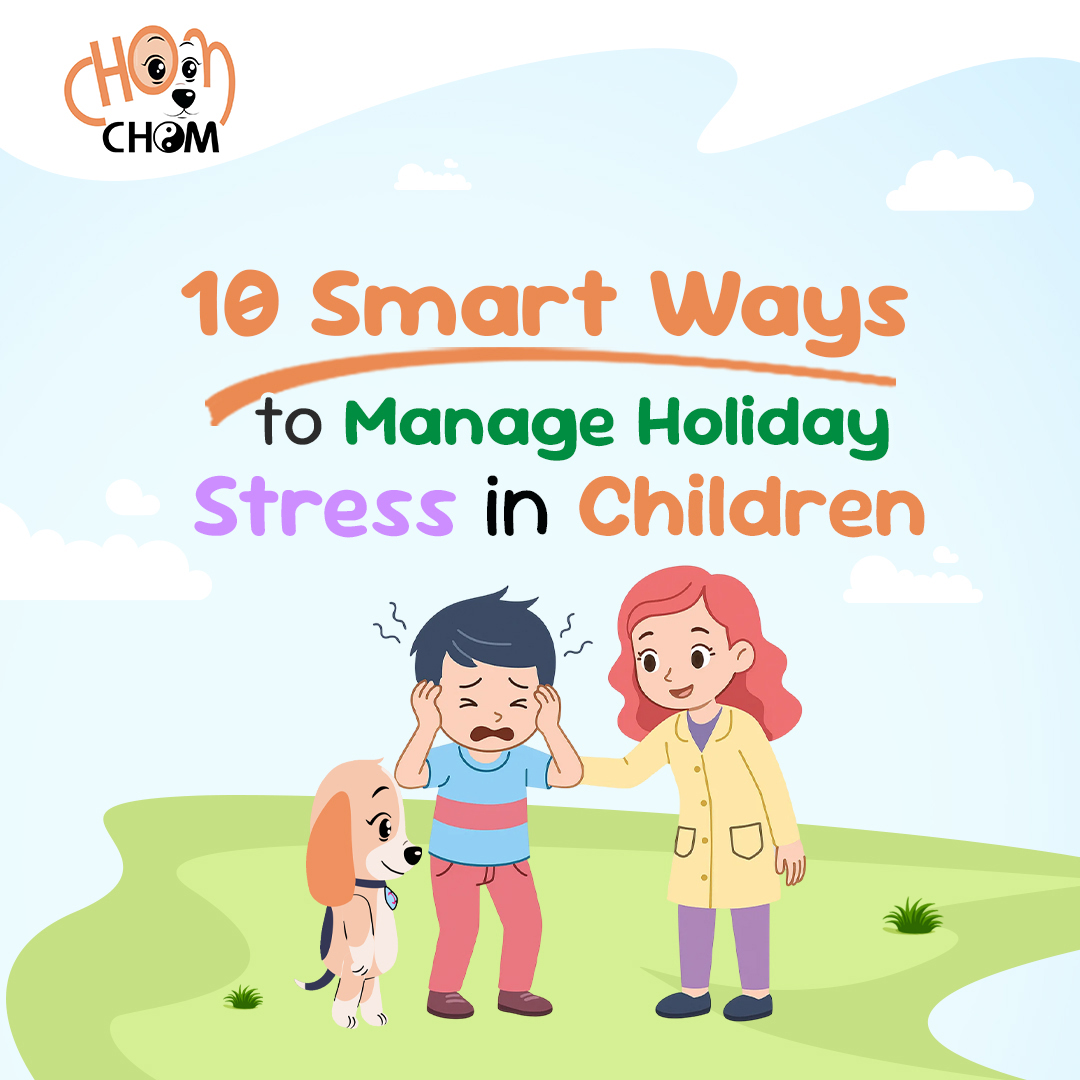
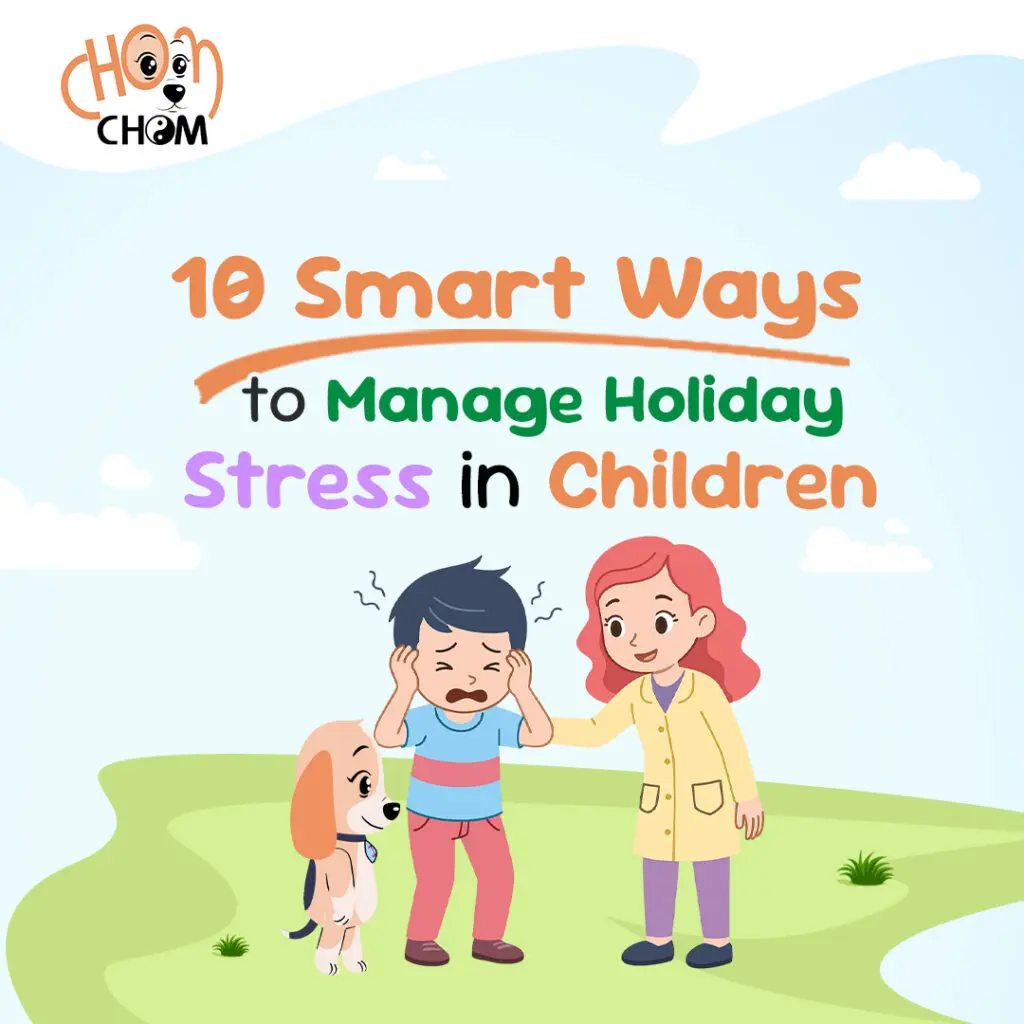
10 Ways to Manage Holiday Stress in Children
The festive season is enchanting for kids, brimming with joy, unique customs, and family get-togethers.
During the celebrations, children encounter heightened levels of stress and anxiety. Changes in routine, new social situations, and increased expectations can lead to overwhelming feelings.
As caregivers and parents, recognizing the signs of holiday stress and actively supporting children’s emotional health is crucial. With a proper understanding, you can find effective ways to help them enjoy the holidays.
Here are the innovative ways to reduce stress in kids during the holidays –
1. Set Realistic Expectations
It is easy to dive into the excitement of the holiday season with unique gifts, decorations, and festive events. You can simplify the festivities if it helps reduce your child’s anxiety.
Focus on the true meaning of the holidays and encourage your kid to do the same. For example, you can set aside time for reflection or participate in meaningful activities that bring joy and connection.
You must focus on the significance of the holidays and motivate your child to follow this perspective. You must allocate time to fulfilling activities that bring happiness and connection.
2. Promote Wellness Practices
Incorporate a healthy holiday routine for children, as it will help them handle stress and feel their best.
It is one of the best parenting tips for holiday stress. You must motivate your child to consume a balanced diet and stay hydrated by drinking enough water.
Physical activity is an ideal way to alleviate stress, so ensure your child engages in movement and participates in activities such as dancing, walking, or cycling.
Sleep is also crucial for stress management. You must ensure your younger one is getting sufficient sleep. Establish a calming nighttime routine to help them feel at peace during the night.
3. Create a calming environment.
A disorganized or messy setting always increases a child’s anxiety. It is crucial to maintain a serene and soothing environment at home. Clear out and arrange the area, incorporate soothing colors or fragrances, and create a peaceful atmosphere.
You should also incorporate mindfulness practices into your kid’s routine. Mindfulness and meditation can help foster a calmer generation by assisting children to regulate their emotions and improve their attention.
4. Practice relaxation techniques
You must motivate your child to use these methods when they are feeling overwhelmed. Let them find a comfortable space to sit or relax, and practice these techniques for a while.
Basic relaxation methods help in developing mindfulness for kids during holidays, including:
- Deep breathing: It involves taking slow, regulated breaths through your nose and mouth.Progressive muscle relaxation involves systematically tensing and relaxing various muscle groups. It starts with the toes and works up to the head.
- Visualization: It employs the mind to construct a serene image or situation.
5. Express the feelings
You must encourage your child to express their emotions. It is essential to recognize their feelings and provide support to make them feel more understood and less isolated in their difficulties.
Make time to connect with your child, listen to their worries, and offer comfort and support when they feel overwhelmed. Understand that some issues are specific to the child’s developmental level and their impact on how they handle family holiday stress.
6. Plan for the Unexpected
One of the significant sources of stress during the holidays is the surprises. Any uninformed event or activity can make your kids feel anxious. While you cannot predict every step during the festivities, you can prevent a lot of stress with proper preparation.
You may plan a handful of generic, wrapped presents for both adults and children. For example, a book, an art set, or a snack all fit nicely here.
Prepare meals in advance and ensure at least one nutritious family dish is stored in your freezer. It will help to save a significant amount on takeout as the holiday rush intensifies.
Don’t rely on your children to inform you about any performances and celebrations. Inform the teachers and coaches beforehand so they can ask about schedules, dates, and requirements.
7. Reduce Screen Time
According to studies, excessive screen time may adversely impact children’s mental well-being. It increases the chances of developing anxiety and depression in them. It is crucial to establish boundaries on how much time your child spends using these devices.
Rather than being absorbed in smartphones or computers, encourage them to participate in calming activities for stressed children. These include reading, outdoor games, and other engaging activities. It will help them engage and communicate with people around them.
8. Be A Role Model
Kids frequently imitate their parents’ actions. Thus, it is a great way to help them practice effective stress management methods. Ensure you take breaks, practice self-care, and ask for help when necessary.
Just like children, even parents can gain from counseling to manage anxiety. Explaining to your child how you cope with stress positively imparts a valuable skill they will use for the rest of their lives.
9. Maintain a Proper Perspective
It is essential to keep in mind that the holiday season is just one segment of the year. It is if everything doesn’t turn out flawlessly. Make sure your child focuses on what truly matters to them and lets go of the rest.
It includes establishing priorities, such as dedicating time to family or discovering ways to contribute to the community. Helping your child maintain perspective enables them to find significance and happiness during the holiday season.
10. Develop Emotional Management Skills
Kids often experience holiday stress because they lack the skills to cope with intense feelings. It happens especially during hectic and exciting occasions.
Guiding them on straightforward coping strategies significantly impacts their ability to manage challenging situations.
Recognize their emotions and let them know that it is normal to feel distressed or fatigued during hectic holiday gatherings.
Make them practice calming strategies at home before the holidays. It will allow your child to feel assured using them when necessary.
Let the Little Hearts Enjoy the Stress-free Holidays with ChomChom!
The holiday season does not have to be a cause of child anxiety. By planning carefully and focusing on emotional health, you can help your child feel happy. Let them enjoy an unforgettable time that makes everyone feel satisfied and united.
It is about enjoying meaningful time together and valuing these cherished moments with your children.
By following these calming strategies for kids, you can help your anxious child enjoy the holiday season with greater joy. By using the appropriate methods and assistance, your child will develop effective coping strategies that will benefit them throughout the year.
If you are wondering how to reduce stress in kids during the holidays, you can reach out to the professionals. At ChomChom, we offer a therapist-approved, interactive method designed to help children aged 4-10 develop emotional intelligence through play.
We introduce numerous small emotional regulation games for when your child is prepared. It benefits children with ADHD, anxiety, and behavioral issues.
Are you prepared to help your child become a strong, capable, and emotionally balanced individual?
Reach out to us to help your child develop emotional intelligence and learn how to manage stress.