Is my child neurodivergent? Is neurodiversity a disability? Can I fix the neurodivergent symptoms in my child?
Before you walk down the emotional staircase of such questions, let us assure you – Yes, neurodivergent kids are different, but not any less.
As a neurodivergent parent, it is a whirlwind of emotions to figure out whether your child has neurodivergent tendencies. At first, you tell yourself it’s just a phase. “All kids do that,” you think. But deep down, something nudges you: what if there’s more to it?
Neurodivergence comes with subtle signs – and as a parent, it is we who should identify them. Sometimes, these children have a different rhythm than others. They burst into tears over a simple mistake. They fixate on a single topic for days; they remain stuck in a vivid imagination, even though they must be studying for school. They can even throw a hefty tantrum now and then.
If you’ve ever wondered why your child seems to experience life more intensely – emotionally, socially, or sensually – this read is for you.
Let’s learn to identify the signs of neurodivergence and give our children the right tools to direct it positively, and with a bit of compassion.
What Does “Neurodivergent” Really Mean?
Neurodivergent simply means thinking differently. It is not a diagnosis or a label – it’s a way of understanding that every brain processes information in its own unique way.
Neurodivergence is an umbrella term for various conditions, like –
- Autism Spectrum Disorder (ASD) – where social communication and sensory processing work differently.
- ADHD (Attention Deficit Hyperactivity Disorder) – affecting attention regulation, impulsivity, and focus.
- Dyslexia, Dyspraxia, and Dyscalculia – impacting reading, coordination, or numerical reasoning.
- PDA (Pathological Demand Avoidance) – where the child resists everyday demands due to anxiety around control.
- Sensory Processing Sensitivity – where sensory input (light, sound, touch) feels overwhelming or underwhelming.
There is nothing wrong with these children. Neurodiverse brains are wired for creativity, deep focus, and innovative thinking; they just need environments that honor their wiring.
Why Recognizing the Signs Early Matters?
Early awareness lets you respond rather than react.
When you understand your child’s triggers and needs, you can shape their environment to reduce stress and increase learning capacity.
Early recognition helps you –
- Build emotional safety:Your child learns that their feelings aren’t “wrong”—they’re simply information.
- Create realistic routines: You can adjust tasks and transitions around how their brain works best.
- Collaborate effectively with teachers and therapists: awareness bridges home and school support.
- Preserve self-esteem: Instead of feeling “different” in a negative way, your child feels understood and accepted.
What are the Signs of a Neurodivergent Child?
Every child is different, but specific categories capture the most common patterns parents notice when a child’s brain processes the world differently.
1. Emotional Regulation Challenges
Gifted neurodivergent children often experience emotions in excess. You might notice –
- Sudden, intense meltdowns over minor frustrations, like the wrong spoon or an unexpected change. This often happens because transitions trigger anxiety when the brain craves predictability.
- Difficulty calming down once upset. Their nervous system takes longer to return to baseline because emotional and sensory regulation centers are tightly linked.
- Strong empathy for others, but poor emotional boundaries. They might cry when someone else gets hurt or panic when a friend is sad.
- Overwhelm from overstimulation. Bright lights, noise, or crowds can push them past tolerance without warning.
Validate their feelings before fixing any behavior. Use calm tone, gentle touch, and grounding tools like deep breathing. You may opt for meditative challenges, which gamify self-soothing. Teach your child that emotions are messengers, not enemies.
2. Sensory Sensitivities (Too Much or Too Little)
Neurodivergent children often process sensory information differently. It’s too loud, too bright, too rough, or sometimes not enough. You might notice –
- Covering ears or closing eyes in noisy, crowded, or brightly lit environments.
- Strong reactions to textures – tags on clothes, sticky hands, certain food consistencies.
- Avoidance or seeking of physical touch. Some kids crave deep pressure (hugs, weighted blankets) while others recoil from light touch.
- Stimming behaviors, such as rocking, spinning, or fidgeting, are used to self-regulate.
Notice patterns of when and where overstimulation happens. Offer sensory breaks, calm corners, noise-cancelling headphones, or movement-based resets. Explore mood challenges that let children visually identify and track what triggers overwhelm. The method helps parents personalize support.
3. Social Communication Differences
Social interaction can be confusing or exhausting for neurodivergent children; not because they don’t care, but because their brains decode cues differently. You might notice –
- Literal interpretation of language, like your child may miss jokes, sarcasm, or abstract instructions.
- Intense focus on specific topics and trouble following group conversations.
- Difficulty joining peer play or withdrawing from noisy group settings.
- Rehearsed scripts or repetitive dialogue when trying to engage socially.
Use explicit teaching – for instance, model social behaviors through role play or storytelling. Story-based games for children often help simulate social interactions safely, reducing the chances of outbursts.
Encourage your child’s social strengths (kindness, loyalty, honesty) instead of forcing conformity.
4. Attention and Executive Function Differences
Executive function controls focus, planning, and self-control, and it often works differently in neurodivergent children. You might notice –
Hyperfocus on special interests (like Lego or space) but struggle to start “boring” tasks.
- Difficulty organizing school materials or following multi-step instructions.
- Frequent forgetfulness (homework, chores, or simple routines).
- Resistance to transitions. Shifting from one task to another can feel like losing control.
Break tasks into tiny steps. Use visual schedules, timers, or game-style challenges. Incorporate routine logging that turns daily habits into quests, rewarding consistency with virtual prizes. Such a practice helps kids associate accomplishment with joy, not pressure.
5. Learning Style Variations
Neurodivergent children may not fit into a single learning category. Some are visual thinkers, others kinesthetic learners; many grasp abstract concepts faster than rote tasks. You might notice –
- Advanced verbal or creative skills, but lagging in handwriting or spelling.
- Strong memory for facts or visuals, but difficulty summarizing or sequencing.
- High curiosity but low tolerance for repetition.
- Preference for independent exploration over group instruction.
Use multisensory learning – combine sound, movement, and visuals. Encourage curiosity-driven projects. As mentioned, story-style daily habits help children practice emotional reasoning and comprehension interactively, naturally bridging learning and play.
When to Seek Guidance from a Neurodivergent Expert?
If these signs feel familiar and persist across environments like home, school, and social setups, consider consulting a –
- Pediatrician or developmental specialist for initial screening.
- Child psychologist for neurodivergent behavioral assessment.
- An occupational therapist (OT) for sensory and emotional regulation activities.
- A speech or language therapist if communication delays appear.
Remember—seeking support is not labeling; it’s translating your child’s needs so they can thrive in a world not built for their wiring.
How Parents Can Support Neurodivergent Kids at Home?
Parenting a neurodivergent child requires empathy, creativity, and patience. But it also offers the chance to see the world through a profoundly beautiful lens.
Here are practical, meaningful strategies to bring harmony to your daily life –
1. Build Predictable Routines
Predictability reduces anxiety. Post daily visual schedules that include wake-up, meals, playtime, and bedtime. Give advance notice of changes – “In 10 minutes, we’ll leave for school.” Consistency builds security.
2. Encourage Emotional Awareness
Create a mood chart at home, where each color means something – blue for sad, yellow for happy, and so on. Use daily check-ins like “What color is your mood?” or emotion cards to analyze their days. A visual mood tracker helps kids name emotions easily, teaches emotional literacy, and helps parents see patterns in behavior.
3. Turn Regulation into Play
Breathing exercises, stretching, and “calm breaks” work best when gamified.
For instance, a daily 10-minute story time with a meditation exercise turns a task into a micro-adventure. If they succeed, you give them calmness points instead of punishment for restlessness.
4. Create a Sensory Sanctuary
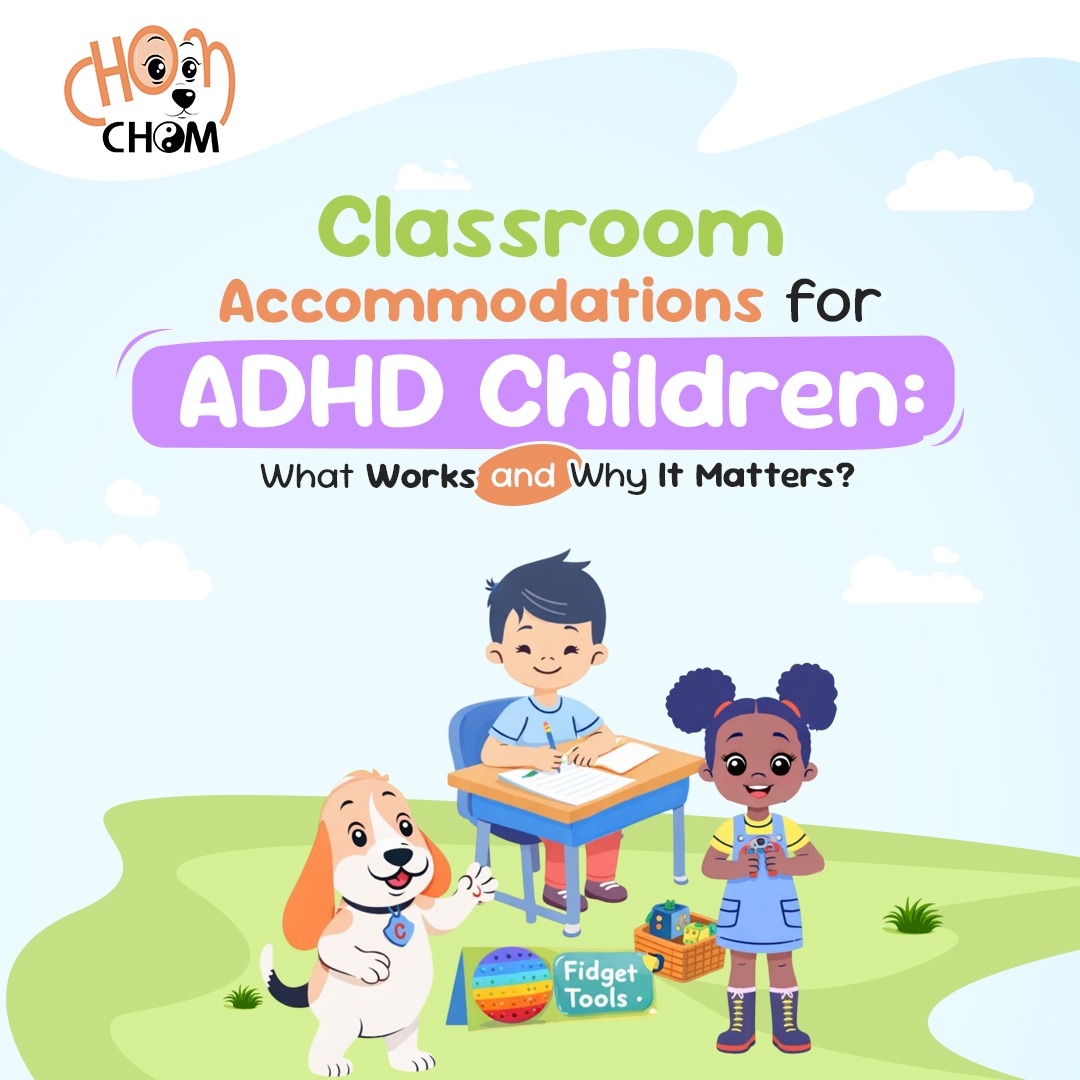
Design a calm zone for their special use: dim lights, soft textures, a weighted blanket, and fidget tools. Encourage your child to use this space when feeling overwhelmed; it teaches self-regulation instead of suppression.
5. Reinforce Effort, Not Outcome
Neurodivergent kids often internalize failure, creating a pit of failure that immediately takes a toll on their behavior and understanding. Praise specific efforts: “I love how you kept trying, even when that puzzle was hard.”
Focus on persistence, not perfection; confidence grows from being seen, not scored.
6. Support Transitions with “Bridges”
If shifting tasks is demanding, use bridge activities such as a song, a countdown timer, or a brief, fun mini-game. With practice, that specific activity will teach the child that they are about to transition to another task. It is very similar to the Pomodoro effect and helps anchor their brains during change, reducing meltdowns.
7. Collaborate with Schools
Share your observations with the teachers, or with a counsellor if they are visiting one. Ask for sensory accommodations, like noise-reducing headphones, extra processing time, or flexible seating. Most schools are open to partnership when they understand the child’s needs.
8. Make Self-Care a Family Habit
As a parent of a neurodivergent child, at times, it is challenging to keep up with the differences. However, they are looking at you and will immediately pick the emotion they see. So, start by implementing calm down strategies. Emotionally different kids sense energy deeply; your tone, breathing, and pacing influence theirs. Practice short mindfulness rituals together – it normalizes calm, not control.
The Science behind Play and Emotional Regulation
Modern neuroscience confirms what parents instinctively know: play is the language of learning. Play is not just a pastime; it’s the brain’s most natural way to process emotions, test ideas, and make sense of the world.
When a child plays, something profound happens in their brain: they’re not just having fun — they’re wiring pathways for self-regulation, empathy, and resilience.
Here’s what goes beneath the surface of a child’s brain with the power of play –
The amygdala (emotion center) calms down.
During playful activities, the brain’s threat response lowers. The child feels safe to explore, make mistakes, and try again. This safety is crucial for kids who struggle with anxiety or emotional overwhelm.
The prefrontal cortex (decision-making) activates.
This part of the brain governs attention, decision-making, and impulse control. Through pretend play, strategy games, or building activities, children practice planning, negotiating, and delaying gratification – skills essential for emotional maturity.
Dopamine and serotonin: the “feel-good” chemicals – increase.
These neurotransmitters reinforce joy, motivation, and focus. Play literally rewards the brain for positive behavior, helping children associate calm and concentration with success.
Mirror neurons promote empathy and connection.
When children engage in cooperative or role-based play, their brains learn to understand others’ feelings – a foundation for emotional intelligence and social growth.
In essence, play is the bridge between emotion and understanding. It teaches children to manage frustration, express creativity, and recover from setbacks in a way no lecture ever could.
With Neurodiversity, Awareness is a Superpower
As a parent, having a neurodivergent child and processing through the emotions is daunting. You are not just reading another parenting article; you are trying to understand your child. That alone makes you the kind of parent every child deserves.
Recognizing the signs of neurodivergence in 5-year-olds and older is not labeling your child – it’s about learning their language. It’s about realizing that their brain may move at a different rhythm. Every meltdown, every quiet moment, every burst of imagination is a message. When we learn to listen without judgment, we stop seeing “bad behavior” and start seeing a child who’s communicating in the only way they can.
There’s no single roadmap for parenting a neurodivergent child – only love, patience, and presence. What matters most is meeting them where they are, not where the world expects them to be.
Turn Emotional Growth into an Adventure
Every child deserves to feel calm, capable, and confident.
Start your family’s journey toward emotional balance with ChomChom – where emotional regulation meets play, and learning feels like magic. It’s a therapeutic play environment designed by therapists for children with ADHD, PDA, ASD, and emotional struggles.
The bite-sized games, like the Color Catch Adventure and Mood Quest, help children aged 4 to 10 build daily habits, master emotional literacy, and focus through a series of fun, structured challenges.
Let’s raise a generation that doesn’t just manage emotions – but understands them.
Download ChomChom today.